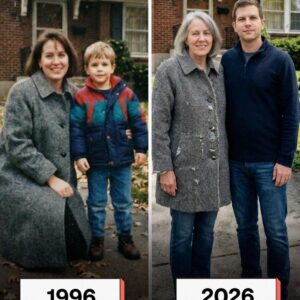
Laura had grown used to handling life on her own. At thirty-nine, she worked long shifts as a nurse in a busy trauma unit and raised her twelve-year-old son, Evan, without help. Their small suburban home was peaceful, and together they managed daily routines with quiet determination. Winter, however, brought a challenge she never expected. After exhausting twelve-hour shifts, Laura often came home late to find their driveway blocked by heavy snow. Evan, wanting to help, made it his job to shovel after school so his mother could park safely at night. Laura admired his maturity, but each time she saw his small frame battling the cold, she wished he didn’t have to carry such responsibility.Legal advice wills
Their trouble began when their neighbor, Mark, bought a powerful snowblower. At first, Laura felt hopeful that winter might become easier for everyone. But it quickly became clear that Mark’s snow removal routine sent large piles of snow directly onto Laura’s driveway. Night after night, she found herself parking on the street and trudging through deep drifts just to get inside. Evan never complained; he simply cleared the mess again the next day. When Laura finally approached Mark politely, explaining that the displaced snow was blocking access to her home, he brushed off her concern. He laughed, insisting that snow was just part of winter and not something worth worrying about. His dismissive response left Laura frustrated but determined not to create a neighborhood conflict.
After one particularly hard day at work, Laura returned home early and saw Evan struggling to dig through yet another mound of snow. Something inside her shifted. She hugged her son and told him to stop shoveling — not because she didn’t appreciate his help, but because the situation was no longer fair. Instead of confronting Mark again, she chose a quieter solution. She reviewed the neighborhood’s homeowner association rules and discovered a clear guideline: residents were not allowed to push snow in ways that blocked another property’s access. Over the next snowfall, she documented the problem carefully, submitting photos and video through the official complaint system. Then she waited.
The response came swiftly. HOA representatives visited, assessed the situation, and issued Mark a formal notice requiring him to clear Laura’s driveway and adjust how he used his snowblower. Within minutes, Mark was outside again — but this time his machine was aimed carefully, and every bit of snow was directed away from Laura’s property. That evening, Laura parked in her driveway with ease for the first time in weeks. Evan watched from the doorway, smiling proudly. No shouting had been necessary, no dramatic confrontation — just calm persistence and knowing when to speak up through the proper channels. From that day forward, the snow stayed where it belonged, and Laura and Evan could face winter together without carrying someone else’s burden.