After fourteen years of marriage, my husband walked out with a suitcase in one hand and a version of himself I barely recognized in the other. There had been no shouting, no shattered plates—just a slow shift I hadn’t wanted to see: sharper suits, later nights, a new hunger for image and influence. When he finally said the words, they were almost gentle. “I’ve outgrown this,” he told me, glancing around at the life we had built. “I need someone who fits where I’m headed.” Someone younger. Someone shinier. In that instant, fourteen years collapsed into silence—the dinners, the private jokes, the quiet loyalty—dismissed like furniture he no longer wanted. He left that evening. Five months later, a former colleague called. His voice was hesitant. “He’s very sick,” he said. “It happened fast.” The woman who had fit his new life was already gone.
I told myself I owed him nothing. He had made his choice. But something deeper than pride pulled me back—perhaps muscle memory, perhaps a promise I wasn’t built to break. When I walked into the house again, it smelled faintly of antiseptic and regret. He looked smaller in the bed, confidence drained, arrogance dissolved into fatigue. Sometimes his lips parted as if practicing apologies he couldn’t quite form. I didn’t press him. Words felt unnecessary. I cooked, cleaned, managed medications, and sat beside him through restless nights—not because he deserved redemption, and not because I had forgotten the humiliation, but because I needed to know I could act from compassion instead of bitterness. Nearly a year later, he slipped away just before dawn. No grand confession. Just quiet.
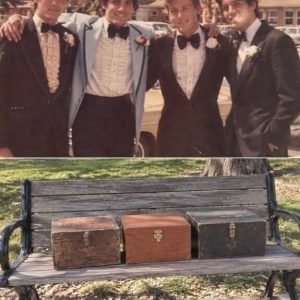
I believed that was the end—until the funeral. She came, subdued, holding a small wooden box. The brightness she once wore like armor was gone. When the service ended, she approached me without meeting my eyes. “This belongs to you,” she said. Inside was his journal. Page after page revealed a man unraveling—ambition turning hollow, validation dissolving into emptiness. “The worst decision I ever made,” one entry read. “Losing her wasn’t freedom. It was loss.” She admitted she had read it months earlier and realized she had never been loved, only used as a mirror for his ego. She had left soon after. She could have burned it, she said, but the truth belonged to me.
At the reading of the will, my name filled every line—the house, the accounts, everything. “He was very clear,” the attorney said. I broke then, not because of inheritance, but because five reckless months had fractured years of shared history. Money cannot repair time. It cannot restore the version of us that once believed we were unbreakable. Yet standing there with his journal in my hands, I understood something painfully human: love does not always vanish when betrayal enters. Sometimes it lingers in the ruins, stubborn and unfinished. I cried not for what he left me, but for what we lost—and for the fragile truth that even broken stories can still contain love.