After a long shift one evening, I came home and couldn’t unlock my front door. Someone had jammed a toothpick deep into the keyhole. My brother came over with tools, fixed it, and we laughed it off—until it happened again the next night. That’s when he set up a hidden camera in a tree facing my porch. When the lock was sabotaged a third time, we checked the footage. I was stunned to see not a vandal, but a little girl in a bright yellow raincoat. She tiptoed up to my door, nervously looked around, pushed something into the keyhole, and ran.
Confused more than angry, I decided to wait for her the following afternoon. I sat on my porch with a book, pretending not to notice when she approached again. When I gently called out, she froze. After reassuring her I wasn’t mad, I asked why she kept doing it. Her answer broke my heart. Her dad had been a handyman who fixed locks and broken things, but he had gotten sick and “went away.” She didn’t believe he was coming back. Breaking my lock, she said, was her way of creating jobs for him—pretending he was still out there fixing things.
Instead of scolding her, I offered her something different. “What if you help me fix things instead?” I suggested. Her face lit up. From then on, the toothpicks stopped. Every few days she’d come by in her yellow coat for “fix-it time.” We tightened hinges, repaired loose boards, and eventually fixed a broken toy car her dad had promised to mend. When it rolled again, she hugged me and whispered that it felt like her dad had helped one more time. Slowly, she began talking about him—his jokes, his lessons, how much she missed him.
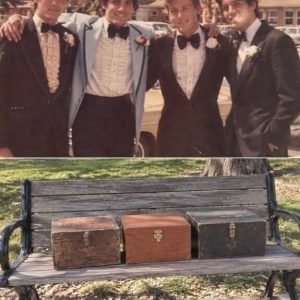
Months later, I found an old toolbox left behind in my garage by the previous homeowner. Inside were handwritten labels on each tool with encouraging notes. It turned out the box had belonged to her father, who had once worked on the house. When I returned it to her, she cried and called it “his hands.” Soon she started helping neighbors with small repairs under a handmade sign: Little Tomas Fix-It Services. What began as a broken lock became a bridge between grief and healing. Sometimes, what looks like trouble is really someone quietly asking to remember—and to be remembered.