Gerald, a 45-year-old bus driver long accustomed to his wife’s complaints about his modest wages, never imagined that a routine winter morning would redefine his sense of purpose. On a bitter, sub-zero day, he discovered seven-year-old Aiden huddled in the back of his bus, crying silently. The boy’s hands were blue and swollen from the cold, his gloves ripped beyond use. Aiden’s father, injured in the line of duty, had left the family struggling to afford even basic necessities. Without hesitation, Gerald removed his own gloves and handed them to the boy, realizing in that quiet moment that his responsibility extended far beyond driving a bus.
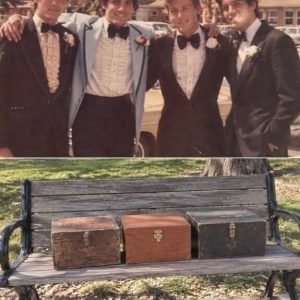
Determined to do more, Gerald spent his last dollar on a new pair of gloves and a navy-and-yellow striped scarf. He placed them in a simple shoebox behind his seat with a handwritten note: “If you feel cold, take something from here.” He never made an announcement or sought recognition. Instead, he watched through his rearview mirror as Aiden shyly accepted the warmth. Before long, other children noticed the box and quietly helped themselves when needed, grateful for the unspoken kindness that asked for nothing in return.
What began as a single shoebox soon caught the attention of the school principal. Expecting perhaps a reprimand for bending policy, Gerald was surprised to learn that the small gesture had sparked something much larger. Dubbed the “Warm Ride Project,” the initiative spread throughout the district. Local shop owners donated coats and boots, knitters crafted hats and scarves, and parents contributed what they could. The effort allowed struggling families to receive help discreetly, sparing children the added burden of embarrassment along with the winter cold.
The story reached its peak at a school assembly honoring Gerald’s quiet leadership. There, he met Aiden’s father, a firefighter still enduring a painful recovery. With deep emotion, the man thanked Gerald, saying he hadn’t just warmed his son’s hands—he had preserved their family’s spirit during its darkest season. Walking away from the applause, Gerald understood that his true role was to serve as a kind of vault for the children’s safety and dignity. In noticing one child’s silent suffering, he had helped transform the culture of an entire community.