In the rarefied atmosphere of a long-haul flight’s business class cabin, there is an unspoken expectation of a certain aesthetic. The cabin is typically a sanctuary of muted tones, soft Italian leather, and the discreet, rhythmic hum of high-end technology. Passengers here pay a premium for a specific type of seclusion, one defined by noise-canceling headphones, financial broadsheets, and the gentle clink of crystal glassware. It is an environment where wealth is the common language and status is the unspoken currency. By the time the boarding doors were nearly sealed, the cabin had settled into its usual state of polished efficiency—until Eleanor Whitmore stepped into the aisle.
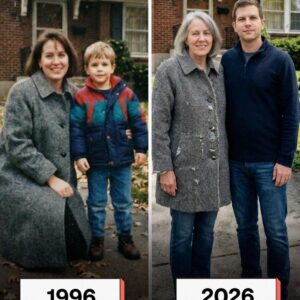
At eighty-five years old, Eleanor was a woman who seemed to exist in a different era. She was small and slightly stooped, her silver hair pinned with a neat, archival precision behind her ears. She wore a beige coat that had been meticulously pressed but was undeniably weathered by decades of wear. Her shoes were sensible and scuffed, telling a story of thousands of miles walked on modest pavements. She gripped her carry-on with thin, fragile fingers, her eyes darting through the cabin with a mixture of profound nervous anticipation and a quiet, hidden resolve.
As the flight attendant led her toward an assigned window seat, the tranquil hum of the cabin was shattered by a voice sharp enough to draw blood.
“Absolutely not,” snapped a man in a tailored charcoal suit. He looked to be in his early fifties, his wrist adorned with a watch that cost more than most family sedans. He didn’t just look at Eleanor; he looked through her, his face contorting with a visceral sense of offense. “I am not sitting next to her. This is business class. I didn’t pay a fortune to be uncomfortable for five hours because of some clerical error. Look at her—she clearly belongs in the back.”