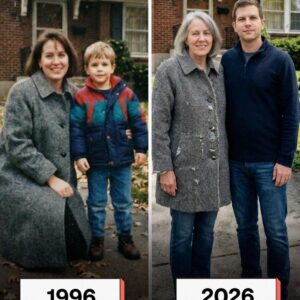
When my father passed away, the aftermath was quiet in the way grief sometimes is—heavy, awkward, and filled with unfinished conversations. At the reading of his will, it became clear that he had left nothing of material value to my stepmother. Some relatives whispered, others laughed uncomfortably, assuming it confirmed their long-held opinions about her place in the family. She stood there composed, offering no defense, no explanation. When the gathering ended, it was obvious she had nowhere to go. Against the advice of my siblings, who warned me I would regret it, I invited her to stay with me. It didn’t feel heroic or dramatic—it simply felt like the decent thing to do.
Living together wasn’t always easy, but it was quietly meaningful. She kept mostly to herself, filling her days with small routines: early morning tea, tending to the garden, folding laundry with meticulous care. Over time, we developed a gentle rhythm. She never spoke poorly of my father or the will, never asked for help beyond what she truly needed. Instead, she offered presence—listening when I was overwhelmed, cooking meals that tasted like patience, and treating my home with respect as if it were sacred. I began to realize how little anyone had truly known her, and how quick people can be to judge what they don’t bother to understand.Family games